
By Dr. John Carosso, Psy. D.

Article at a Glance
- ADHD in women is largely invisible—it presents as internal restlessness, emotional overwhelm, and quiet disorganization rather than the hyperactivity associated with boys, causing most women to go undiagnosed for years or decades.
- Women with ADHD develop ""masking"—exhausting coping behaviors like perfectionism, overworking, and people-pleasing that make them appear capable on the outside while they are quietly drowning on the inside.
- Emotional dysregulation is one of the most significant—and most overlooked—features of ADHD in women, including Rejection Sensitive Dysphoria (RSD), which causes intense emotional pain in response to perceived criticism or rejection.
- ADHD shutdowns (inward neurological collapse) and meltdowns (outward emotional eruption) are common in women with ADHD and are regulation events, not character flaws—they have predictable causes and respond to targeted support.
- Hormones matter enormously: estrogen directly regulates dopamine, a neurotransmitter that plays a key role in mood and attention, so women experience predictable ADHD worsening during the premenstrual phase, postpartum period, and perimenopause—a dimension of ADHD that is critically underrecognized.
- Undiagnosed ADHD creates a shame spiral—years of unexplained struggle lead women to conclude they are lazy, broken, or not enough, when the real explanation is neurological, not personal.
- ADHD burnout—the complete depletion of mental and emotional resources from years of managing attention deficit hyperactivity disorder (ADHD), masking symptoms, and compensating for challenges without support—is especially common in women and is a signal to seek help, not push harder.
- ADHD is one of the most treatable conditions in mental health; stimulant medication, CBT, ADHD coaching, and targeted lifestyle strategies (exercise, sleep, and external structure) can produce meaningful, lasting improvement in quality of life.
- Many women with ADHD go undiagnosed because they are misdiagnosed with anxiety, depression, or other conditions—treating those without addressing the underlying ADHD leaves the root cause untouched.
- The ADHD brain carries genuine strengths—creativity, hyperfocus, empathy, resilience, and crisis competence—and women who get the right diagnosis and support often discover they are not a broken neurotypical but a remarkable different kind of thinker.
You've probably Googled something like this before.
"Why can't I get organized no matter how hard I try?" or "Why do I always feel behind?" or even, "Am I lazy, or is something actually wrong with me?" During your late-night search, you came across the term "ADHD" and had a moment of realization. "That sounds like me."
Here's the thing: you might be right.
For decades, ADHD (Attention Deficit Hyperactivity Disorder) was considered a "boy thing"—the wild kid bouncing off the walls, impossible to ignore, impossible to miss. But that picture has always been incomplete. For millions of women, ADHD presents a very different image. The woman dealing with ADHD may often appear perfectly capable on the outside, but inside she's quietly exhausted; intelligent, compassionate, and diligent—but still unable to keep up. This picture might resemble you.
I've written this article for every woman who has ever wondered or been curious. We're going to cover what adult ADHD in women looks like, why so many go undiagnosed (sometimes for years or even decades), which symptoms might be confused with other issues, the impact of ADHD on relationships and everyday life, and, most importantly, what resources and strategies can make a difference. We'll also discuss the unique strengths of an ADHD brain, as there's more to this story than just struggle.
Let's get into it.
What Does Adult ADHD in Women Actually Look Like?
Here's the first thing to understand: ADHD in women rarely looks like what you see in the movies.
Forget the bouncing-off-the-walls stereotype. In women, ADHD tends to be quieter, more internal, and a whole lot easier to miss—even by the women who have it.
ADHD is a neurodevelopmental condition that affects how the brain manages attention, impulse control, organization, and emotional regulation. Everyone with ADHD has trouble with what psychologists call "executive function"—the mental skills that help you plan, prioritize, start tasks, manage time, and regulate your emotions. But how those difficulties show up can look completely unique depending on the person—and research consistently shows that women and men experience ADHD differently, with women often exhibiting more inattentive symptoms and men more hyperactive symptoms.
So, what does ADHD look like in women? Let's break it down.
Attention and Focus Challenges
This is probably the most recognized symptom—but even here, it's more nuanced than people think. Women with ADHD often describe their attention as inconsistent rather than simply absent. Some things they can focus on intensely—almost obsessively. Other things—especially anything routine, repetitive, or unstimulating—feel nearly impossible to engage with.
You might recognize yourself in some of these:
- Zoning out in conversations even when you're genuinely trying to listen
- Starting projects with enthusiasm and then losing steam before finishing them
- You are struggling to read long documents or emails—your eyes move, but nothing registers.
- Hyperfocusing on something interesting for hours while more important tasks pile up
- Forgetting what you walked into a room for—constantly
- Missing details, making careless errors, losing things you use every single day
That last item—hyperfocus—trips many women up. They think, "I can't have ADHD because I can concentrate for hours on things I love." But hyperfocus is a hallmark feature of ADHD, not evidence against it. The ADHD brain doesn't struggle to pay attention to everything—it struggles to regulate where attention goes, which can lead to difficulties in managing time and organization, especially for women with ADHD who often describe having a complicated relationship with time.
Time and Organization Struggles
Women with ADHD often describe having a complicated relationship with time. Not only do they often run late, but they also experience a profound disconnection from the actual functioning of time. Future deadlines feel abstract and unreal until they're suddenly, terrifyingly urgent. This syndrome is sometimes called "time blindness," and it's one of the most disruptive and least talked about features of adult ADHD in women.
Common experiences include:
- Chronic lateness, even when you really tried to be on time
- Underestimating how long tasks take—every single time
- Losing track of days, weeks, and appointments
- A perpetually cluttered home, car, or workspace despite repeated attempts to organize
- Paying bills late doesn't stem from financial difficulties, but rather from the inability to complete the task
- Starting to clean one room and somehow ending up reorganizing a closet across the house
What Does ADHD Feel Like Inside? Emotional and Internal Symptoms
This stage is where ADHD in women gets distinct and really misunderstood. Women with ADHD often experience intense emotional reactions that feel disproportionate to the situation. A minor criticism can feel devastating. A small change in plans can trigger real distress, leading to feelings of anxiety or overwhelm that can significantly impact daily functioning and relationships. Frustration can escalate quickly.
Emotional dysregulation, which refers to difficulties in managing emotional responses, is one of the most important and overlooked aspects of ADHD in women. Drama or immaturity is not the issue. It's a genuine neurological difference in how the brain processes and regulates emotional responses, which can make it difficult to manage emotions effectively, especially in social situations and relationships, such as maintaining friendships or dealing with conflict. Furthermore, compared to men, women with ADHD are significantly more likely to experience:
- Anxiety—often chronic and frequently severe
- Depression—sometimes the direct result of years of unmanaged ADHD
- Low self-esteem—built up over years of feeling like a failure
- Rejection sensitive dysphoria—an intense emotional response to perceived criticism or rejection
- Internal restlessness—a feeling of being "on" all the time, never truly relaxing
This internal restlessness holds significant importance. People often assume that women with ADHD cannot exhibit the classic "bouncing off the walls" hyperactivity. But hyperactivity in women is often entirely internal—racing thoughts, mental noise, a constant hum of anxiety, and unfinished mental to-do lists.
What Does an ADHD Shutdown Look Like in Women?
An ADHD shutdown is what happens when the brain becomes so overwhelmed by demands, stimulation, or emotional input that it simply stops processing and shuts down to protect itself.
For women, ADHD shutdown often looks like going completely quiet and withdrawn, being unable to respond to texts or calls even from people you love, staring at a task you need to do but being entirely unable to start, feeling mentally "frozen" or "offline," and retreating to bed or a quiet space and staying there—not out of sadness, but out of sheer depletion. ADHD, or Attention Deficit Hyperactivity Disorder, is a condition that affects focus and self-control.
Shutdown is different from depression, and it's different from avoidance. It's a temporary state of neurological overwhelm. Understanding that it has a name—and a cause—can be enormously validating for women who have spent years feeling ashamed of it.
What Does an ADHD Meltdown Look Like in Women?
While a shutdown is an inward collapse, an ADHD meltdown is its outward counterpart. It happens when emotional input exceeds the brain's capacity to regulate—and it comes out.
ADHD meltdowns in women can include sudden, intense crying that feels impossible to stop; explosive anger or irritability over something that seems minor; saying things in the moment that you later deeply regret; physical symptoms like shaking, a racing heart, or feeling unable to breathe; and an overwhelming need to escape the situation immediately.
The meltdown is almost always followed by exhaustion and shame—which is itself a signal that it was a regulation event, not a character flaw. Many women with ADHD describe spending enormous energy trying to prevent meltdowns through rigid control and over-planning, which is its own exhausting cycle. Recognizing the pattern—and having support strategies in place—makes an enormous difference in managing ADHD symptoms and reducing the likelihood of future meltdowns.
What Are the Personality Traits of a Woman With ADHD?
Women with ADHD are often described—by themselves and by others—as creative, passionate, and deeply empathetic. They tend to feel everything more intensely. They often have a fierce sense of justice and care deeply about the people and causes they love. Many are extraordinarily funny because the ADHD brain makes quick, lateral connections that produce genuine wit.
At the same time, these women are frequently misunderstood. Emotional intensity is often criticized and labeled as "too much." Their tendency to move between interests looks like inconsistency, which can lead others to perceive them as unfocused or unreliable in their commitments. Their directness reads as bluntness. People interpret their difficulty with time and organization as indifference. In reality, they care deeply, which contributes to their feelings of overwhelm.
Truly understanding a woman with ADHD involves embracing two things at the same time:
- Appreciating her many positive traits
- Acknowledging her challenges and struggles
Both are equally valid, and neither negates the other.
Rejection Sensitive Dysphoria: The ADHD Symptom Nobody Talks About
Of all the symptoms associated with ADHD in women, rejection sensitive dysphoria—or RSD—may be the one that causes the most pain. It’s also the one that almost never gets mentioned.
Here's the deal with RSD: it's an intense, often overwhelming emotional response to the perception of criticism, rejection, or failure. Not actual rejection—perceived rejection. A tone of voice. A delayed text reply. A colleague's lack of smile in the hallway was observed. A comment that wasn't even meant as criticism but landed that way.
For women with ADHD, this emotional response isn't just feeling a little hurt. It can feel genuinely devastating—a sudden flood of shame, anger, or grief that seems completely out of proportion to what just happened. And because it passes relatively quickly (usually within hours), it often is dismissed—by others and by the woman herself—as overreacting or being "too sensitive."
RSD shows up in some very specific ways in daily life:
- Avoiding situations where you might be evaluated or criticized—presentations, job interviews, social gatherings
- People-pleasing to an exhausting degree involves saying yes to everything, never setting limits, and working twice as hard as necessary to avoid any chance of disapproval.
- Difficulty accepting constructive feedback at work, even when you know it's valid
- Replaying conversations for hours or days afterward, certain you said the wrong thing
- You are withdrawing from relationships preemptively—pulling back before someone can reject you first.
- An intense need for reassurance from the people closest to you
The relationship between RSD and low self-esteem in women with ADHD is significant. Years of perceived failures, criticism, and not measuring up lead to a perpetually braced nervous system. Over time, many women with ADHD develop a kind of anticipatory shame—a background hum of "I'm going to mess my life up," which can negatively affect everything in their lives.
The good news is that RSD, or Rejection Sensitive Dysphoria, responds to treatment. Both medication and therapy can meaningfully reduce the intensity of RSD responses. But it must be identified first, which requires someone asking the right questions during a proper evaluation, such as inquiring about the patient's emotional responses and any related symptoms that may indicate RSD.
ADHD and Sleep: A Complicated Relationship
Women with ADHD often experience sleep problems, making them worthy of a separate discussion, rather than merely a brief mention in a list of coping strategies.
The relationship between ADHD and disrupted sleep is profound. Most adults with ADHD have what's called a delayed sleep phase—meaning their brain's internal clock naturally pushes toward staying up late and sleeping late. In a world that runs on early mornings, this behavior creates chronic conflict.
Women with ADHD frequently struggle with the following outside of bedtime:
- The racing thoughts at night make falling asleep feel impossible—the brain finally has quiet and suddenly produces every thought it held back during the day.
- Difficulty winding down—the transition from "on" to "off" is harder for an ADHD brain.
- Waking in the night with thoughts, worries, or the sudden memory of something important
- Feeling genuinely exhausted but unable to sleep—a paradox that is deeply frustrating
- Oversleeping on weekends to catch up, which worsens the cycle
Sleep deprivation and ADHD create a vicious cycle. Poor sleep makes ADHD symptoms significantly worse—attention, emotional regulation, and executive function all deteriorate with insufficient rest. Worsening ADHD symptoms make it harder to maintain the routines and healthy wind-down habits that support optimal sleep. And around it goes.
For many women, addressing sleep through behavioral strategies, good sleep hygiene, and, in some cases, medication is one of the highest-leverage interventions available. When sleep improves, almost everything else becomes a little more manageable, leading to better emotional regulation, increased focus, and improved overall quality of life for women with ADHD.
Why So Many Women with ADHD Go Undiagnosed (And What Gets Missed)
Ironically, half of the population routinely overlooks one of the most common brain-based conditions in the world.
Here's the deal: early ADHD research was conducted almost exclusively on young boys. The diagnostic criteria that came out of that research reflected what ADHD looks like in boys—namely, hyperactive, impulsive, disruptive behavior that's hard for teachers and parents to ignore. Girls were largely left out of the picture. Today, we continue to feel the consequences of that research gap.
The Symptom Difference Problem
Boys with ADHD tend to externalize—they act out, they disrupt, and they demand attention. Girls with ADHD tend to internalize—they zone out, they worry, and they quietly struggle. A fidgety boy who can't sit still gets referred for an evaluation. A daydreamy girl who seems distracted is told to pay better attention. Same underlying condition. Very different response.
By the time these girls reach adulthood, people have been telling them they're flighty, disorganized, overly emotional, or simply not living up to their potential for years, sometimes even decades.
The "Lost Girls" of ADHD: How a Generation of Women Was Left Behind
Researchers and clinicians have begun using the term "lost girls" to describe the generation—actually, generations—of women who grew up with undiagnosed ADHD at a time when the condition was barely recognized in females at all. These are women who were smart enough to compensate, quiet enough not to cause problems, and invisible enough in the research that nobody thought to look.
Many of these women are now in their 30s, 40s, 50s, and beyond. Some are only now getting their first evaluation—often triggered by a child's diagnosis, a midlife crisis, a job loss, or a relationship that finally fell apart under the weight of unaddressed symptoms. The relief of finally having a name for what they've been experiencing is often profound. But it comes with grief, too—grief for the years spent struggling without understanding, without support, without any of the tools that might have changed things.
If this feeling resonates with you, you are not alone. And it is never too late to get answers.
The Masking Problem
This one is huge. Women with ADHD are far more likely than men to develop what's called "masking"—a set of coping behaviors designed to hide their symptoms and appear "normal."
Masking can look like:
- Working twice as hard as everyone else just to achieve the same result
- Developing elaborate organizational systems to compensate for a chaotic brain
- Being a perfectionist—not because you love perfection, but because you're terrified of what happens if things slip
- Studying people around you to figure out how to "act right" in social situations
- You tend to say yes to everything because it feels impossible to say no.
- I am smiling and holding it together all day—then falling apart at home when no one can see me.
Masking, the act of hiding or suppressing one's ADHD symptoms, can be effective in the short term. Women who are able to mask their ADHD symptoms often appear highly functional—succeeding at work, getting excellent grades, and managing households. They show up—they perform.
But masking has a cost. A serious one. It burns through enormous mental and emotional energy every single day. Over time, it leads to exhaustion, burnout, and a profound disconnect from one's own authentic self. And because masked ADHD looks so functional on the outside, it almost never gets diagnosed.
What Are the Hidden Signs of ADHD in Women?
Because masking can be so effective, the most telling signs of ADHD in women are often the ones that don't look like ADHD at all—perfectionism, anxiety, and chronic overwhelm—all dressed up as a very busy life.
Hidden signs to watch for include a history of being labeled "too sensitive" or "too emotional"; chronic exhaustion that isn't explained by physical illness; a pattern of starting things enthusiastically and not finishing them; difficulty with transitions and unexpected changes; extreme difficulty with tasks that feel boring, even when they matter; a sense of always being behind, always almost catching up but never quite there; and a persistent private feeling—despite external success—that you are somehow a fraud.
These signs are easy to miss precisely because they're internalized. They don't look like the loud, disruptive ADHD of popular imagination. But they are just as real—and just as worth investigating.
The Misdiagnosis Problem
Women with ADHD often show symptoms of anxiety, depression, and emotional dysregulation instead of hyperactivity, which leads to frequent misdiagnosis of those conditions and leaves the underlying ADHD unaddressed.
This matters enormously. Treating anxiety or depression without treating the ADHD that's driving them is like treating the symptoms of a problem without ever resolving the problem itself. The anxiety may improve somewhat. But the disorganization, the time blindness (difficulty perceiving the passage of time), and the executive dysfunction (challenges with planning and decision-making)—those don't budge, which means that without addressing the underlying ADHD (Attention-Deficit/Hyperactivity Disorder), the individual continues to face significant challenges in daily functioning and overall well-being. And the woman wonders why she's still struggling even though she's "in treatment."
The cruel irony? Many women don't get their ADHD diagnosis until their child is diagnosed—and they recognize themselves in the description. Suddenly, at 35 or 45 or 55, everything makes sense.
What Can Be Mistaken for ADHD in Adult Women?
This is one of the most-searched questions on this topic—and it's easy to see why. If you've been living with undiagnosed ADHD for years, it's likely that someone along the way gave you a different label.
Here are the conditions most frequently confused with ADHD in women—and how to tell them apart.
Anxiety Disorders
Anxiety and ADHD overlap so significantly that distinguishing between them can be genuinely difficult—even for experienced clinicians. Both involve difficulty concentrating, restlessness, and sleep problems. But there are meaningful differences.
With anxiety, the inability to focus usually stems from worry—your mind is occupied with what might go wrong. With ADHD, the inability to focus is more about the brain's difficulty regulating attention in general—even when you're not worried about anything in particular.
Also worth noting: many women with ADHD have anxiety too. The two conditions co-occur frequently, and the anxiety is often a downstream consequence of years of unmanaged ADHD—the result of always feeling behind, always making mistakes, and constantly trying to hold things together.
Depression
Depression and ADHD share some surface-level similarities—low motivation, difficulty concentrating, trouble completing tasks, and poor self-esteem. But they're distinct in important ways.
Depression is primarily a mood disorder. Its core features are persistent sadness, loss of interest in things you used to enjoy, and a pervasive sense of hopelessness. ADHD is a neurodevelopmental condition. Its core features are executive dysfunction, attention regulation problems, and impulsivity—and they're present regardless of mood.
That said, depression is one of the most common co-occurring conditions in women with ADHD. Spending years feeling like you can't get your act together—watching other people seem to manage life with ease while you struggle—takes a real toll. Depression often follows.
Bipolar Disorder
The emotional intensity and mood swings that accompany ADHD in women can sometimes look like bipolar disorders. The key distinction is duration and pattern. Bipolar disorder involves distinct episodes of elevated or depressed mood that last days to weeks. ADHD-related emotional dysregulation tends to be more reactive—triggered by specific events—and typically resolves much more quickly, sometimes within hours, which contrasts with the longer-lasting mood episodes seen in bipolar disorder.
Borderline Personality Disorder
Emotional dysregulation, impulsivity, and relationship difficulties are features of both ADHD and borderline personality disorder (BPD). Women with ADHD are sometimes misdiagnosed with BPD, particularly when their emotional reactions are intense or their relationships are turbulent. A thorough evaluation by a qualified psychologist can help differentiate the two.
Thyroid Disorders and Hormonal Conditions
Brain fog, fatigue, difficulty concentrating, and mood changes can all be symptoms of thyroid dysfunction—and they can look a lot like ADHD. This is one reason a thorough medical workup is important before (or alongside) an ADHD evaluation.
Bottom line: if you've been treated for anxiety or depression and still feel like something isn't quite right—like the treatment is helping but not fully addressing what's actually happening—it may be worth asking specifically about ADHD.
High-Functioning ADHD: When You Look Fine But Feel Like You're Drowning
This concept doesn't get nearly enough attention—and it's one of the biggest reasons women go undiagnosed.
"High-functioning ADHD" refers to individuals whose ADHD symptoms are significant enough to cause real internal struggle, but whose coping skills, intelligence, or life circumstances allow them to appear functional—even successful—from the outside.
Sound familiar?
The woman with high-functioning ADHD might be a professional with an impressive career. She might be a devoted, attentive mother. She may be the reliable individual at work. However, beneath her capable façade, she is driven by a strong sense of urgency. She stays up until 2 a.m. to complete tasks that should have taken two hours. She uses adrenaline and last-minute panic to get things done. She cancels plans because she is too exhausted. She spends her nights berating herself for what she didn't accomplish during the day.
High-functioning ADHD is real, it's common in women, and it's genuinely exhausting. You are not fine just because you're functioning.
The tragedy is that the very coping skills that allow these women to manage—the perfectionism, the overworking, the relentless compensating—also prevent them from ever getting the help they need, leading to a cycle of burnout and emotional distress that often goes unrecognized by others. From an external perspective, they appear to be in control.
Struggling in silence means you have a real condition that deserves real support.
How ADHD Affects Daily Life, Relationships, and Intimacy
ADHD doesn't stay neatly contained in one area of life. It ripples out—into relationships, careers, finances, parenting, and the most intimate corners of a woman's daily experience.
Daily Life
The daily challenges of adult ADHD in women can feel relentless. It's not just the big things—missed appointments, overdue bills, forgotten commitments. It's the accumulation of a thousand small daily frictions that add up to a life that feels harder than it should.
Managing a household with ADHD is its own particular kind of challenge. The dishes. The laundry. The grocery list that never gets made before you're already at the store. These show diligence and concern. They're the predictable result of a brain that struggles to initiate tasks, sustain effort, and manage the invisible organizational demands of everyday life.
Careers and Work
In the workplace, ADHD in women often shows up as inconsistent performance—brilliant on creative, stimulating projects but struggling badly with administrative tasks, deadlines, and paperwork. Women with ADHD may be perceived as disorganized, unreliable, or not living up to their potential—which often underestimates how hard they're actually working.
Many women with ADHD cycle through jobs, struggle to advance despite obvious ability, or end up in roles well below what their intelligence would predict. Others find their niche—careers that reward creative thinking, hyperfocus, and the ability to thrive under pressure—and do extraordinarily well.
What Is a Good Career for a Woman With ADHD?
The best careers for women with ADHD tend to share a few key features: they offer variety and stimulation, they reward creative thinking and problem-solving, they allow for some autonomy over how work gets done, and they don't require hours of tedious, repetitive administrative tasks.
Fields that often work well include healthcare (especially fast-paced settings like emergency medicine or nursing), creative industries (writing, design, marketing, and art direction), education and coaching, entrepreneurship, technology and software development, and social work or counseling—where the empathy and emotional attunement that comes with ADHD is a genuine asset.
What matters most isn't the specific job title—it's finding an environment that works with your brain rather than against it. Many women with ADHD thrive once they stop trying to force themselves into roles that require the one thing ADHD makes most difficult—such as maintaining prolonged focus on monotonous tasks—and start leaning into the things they do better than almost anyone else, like creative problem-solving or innovative thinking.
Relationships
ADHD affects relationships in ways that can be painful and confusing for everyone involved. Partners may experience the woman with ADHD as forgetful, distracted, unreliable, or emotionally volatile. The woman with ADHD, meanwhile, may feel chronically misunderstood, criticized, and like she's constantly letting people down.
Some specific patterns that show up frequently:
- Forgetting important things—dates, conversations, commitments—that matter to a partner
- Difficulty listening attentively in conversations, which can feel like disinterest
- Emotional outbursts followed by genuine remorse
- Overcommitting and then withdrawing when overwhelmed
- Hyperfocusing intensely on a new relationship at the start, then "coming down" as novelty fades—which can be deeply confusing for partners
Friendships can also suffer. Women with ADHD often find themselves losing friendships not because they don't care, but because they genuinely struggle to manage the logistical demands of maintaining relationships, leading to difficulty staying in touch, forgetting plans, and being late.
Intimacy
This is rarely discussed, but it matters. ADHD can significantly affect intimacy and sexual relationships. Distractibility extends beyond the bedroom, as many women with ADHD struggle to maintain mental focus during intimate moments, leading to frustration and disconnection for both partners.
The emotional dysregulation that comes with ADHD can also create volatility in close relationships—intense connection followed by withdrawal, or small conflicts that escalate quickly. And the exhaustion of masking and managing ADHD symptoms all day often leaves women with nothing left by the time they're home with their partners.
These factors do not prevent women with ADHD from having rich, fulfilling relationships. They absolutely can. But it does mean that understanding ADHD's role in relationship dynamics—and being honest with partners about it—matters enormously.
ADHD Burnout: What It Is and Why Women Are Especially Vulnerable
One of the most frequently asked questions on this topic at the moment is ADHD burnout, and existing resources don't adequately address it. So, let's talk about it.
ADHD burnout is what happens when the mental and emotional energy required to manage, mask, and compensate for ADHD symptoms finally exceeds what a person has available. It's not the same as regular burnout or general stress. It's a specific kind of depletion that comes from the chronic, invisible labor of living with an unmanaged or under-supported neurodevelopmental condition.
It can look like this:
- Complete loss of motivation—even for things you normally care about
- Profound mental and physical exhaustion that rest doesn't seem to fix
- Increased ADHD symptoms—more forgetful, more disorganized, more emotionally reactive
- Social withdrawal—canceling plans, isolating, going quiet
- Feeling numb, detached, or empty
- A deep sense of failure and shame
Women are particularly vulnerable to ADHD burnout for a few reasons. First, the masking that so many women do—the relentless effort to appear "normal"—is enormously taxing. Second, women with ADHD often carry disproportionate domestic and emotional labor in their households, adding an extra layer of cognitive demand to already strained executive function resources. Third, because their ADHD often goes unrecognized and unsupported, women don't get the accommodations or adjustments that might prevent burnout in the first place, such as flexible work hours or access to mental health resources.
If you're in ADHD burnout right now, it's not a character flaw. It's not weakness. It's the predictable result of a system that has been running without adequate support for too long, often made worse by societal expectations and the lack of understanding surrounding ADHD, particularly in women.
And it's a signal—not to push harder, but to finally get some help.
Why Does ADHD Seem to Get Worse as Women Get Older?
This is a question many women ask—and the answer is actually vital.
ADHD symptoms don't always get worse with age in a general sense. But for women, there are specific life stages and biological changes that can make ADHD significantly harder to manage. And the main culprit? Hormones.
What Are the Symptoms of ADHD in Midlife Women?
Midlife is often when ADHD becomes impossible to ignore—even for women who have managed to cope for decades. As estrogen begins to decline through perimenopause and into menopause, the brain chemistry that helped buffer ADHD symptoms starts to shift, leading to increased difficulties in concentration, mood regulation, and overall cognitive function. What was manageable at 35 may feel genuinely unmanageable at 45 or 50.
Midlife ADHD symptoms in women often include a sudden worsening of brain fog and forgetfulness, increased difficulty with executive function tasks that previously felt manageable, heightened emotional reactivity and mood swings, greater difficulty sleeping, a sense that coping strategies that used to work have stopped working, and a new level of disorganization or overwhelm in daily life.
Many women in midlife seek their first ADHD evaluation after years of attributing their struggles to stress, menopause, thyroid issues, or simply getting older. The two can absolutely coexist—but understanding that ADHD is part of the picture allows for far more targeted and effective treatment, which can include medication, therapy, and lifestyle changes tailored to address both ADHD symptoms and the challenges associated with midlife transitions.
When Does ADHD Peak in Females?
Studies indicate that ADHD in women frequently exhibits its most pronounced symptoms during three critical hormonal transition phases: puberty, the postpartum period, and perimenopause/menopause. Each of these involves significant estrogen fluctuations that directly affect dopamine regulation—the neurotransmitter at the heart of ADHD.
In practical terms, many women describe their ADHD as most unmanageable during the week before their period (when estrogen drops sharply), in the months following childbirth, and during perimenopause—the years of hormonal transition leading up to menopause, which can begin as early as the late 30s and extend through the 50s.
Understanding these peaks matters for treatment planning. Medication doses may need adjustment at different hormonal phases. Lifestyle strategies become more important during high-stress periods. And knowing that symptom worsening has a biological explanation—rather than being evidence of personal failure—can itself be therapeutic.
The Estrogen Connection
Estrogen plays a meaningful role in the regulation of dopamine—the neurotransmitter most closely linked to ADHD. When estrogen levels are high, dopamine function tends to be better regulated. When estrogen drops, ADHD symptoms can intensify.
For women, this procedure creates predictable windows of increased difficulty:
Premenstrual phase: The drop in estrogen in the days before a period can cause a noticeable worsening of ADHD symptoms—more brain fog, more emotional reactivity, and more difficulty focusing. Many women describe the week before their period as their most challenging week cognitively.
Postpartum period: After childbirth, estrogen levels drop sharply. This is one reason the postpartum period can be an incredibly difficult time for women with ADHD—whether diagnosed or not.
Perimenopause and menopause: This season of life is a big deal. As estrogen levels decline gradually through perimenopause and then more dramatically at menopause, many women experience a significant worsening of ADHD symptoms. Women who previously managed their ADHD relatively well may find it suddenly much harder to cope. Women who had undiagnosed ADHD may find their symptoms becoming impossible to ignore for the first time.
This hormonal dimension of ADHD in women is deeply under-researched and largely ignored in standard ADHD discussions. But it's real, it's significant, and it's one of the reasons getting a proper evaluation and developing a solid treatment plan matters—especially as women move into midlife.
Increasing Life Demands
Beyond hormones, life simply becomes more demanding. The executive function requirements of adult life—managing careers, households, finances, relationships, and parenting—are dramatically higher than those of childhood or early adulthood. Coping strategies that worked at 22 may not hold up at 42. The gap between what an ADHD brain can manage and what adult life demands tends to widen with time—which is why many women don't seek help until their 30s, 40s, or even 50s.
The Shame Spiral: Why Women With Undiagnosed ADHD Blame Themselves
Here's something that doesn't make it into most clinical articles about ADHD—but it absolutely should.
When a condition goes undiagnosed for years, the person living with it doesn't just experience the symptoms. They experience the story they've built around the symptoms. And for women with undiagnosed ADHD, that story is almost always some version of "I am the problem.”
Imagine how it might feel to struggle for ten, twenty, or even thirty years with things that appear to come easily for others around you. You forget things that matter. You're late when you promised yourself you wouldn't be. Starting countless projects but actually finishing only a handful. You find yourself losing your temper in ways that embarrass both yourself and those closest to you. No matter how much you want to change, you watch as your desk, house, inbox—your life—all become chaotic.
And nobody tells you there's a neurological reason for any of it. So, you draw the only conclusion available: there's something wrong with you. Not your brain—you. This phenomenon is the shame spiral, and it's one of the most painful and least-discussed consequences of undiagnosed ADHD in women.
The shame spiral has a particular shape. It usually goes something like this: struggle with a task or situation → feel like a failure → work harder to compensate → maintain the appearance of functioning → exhaust yourself in the process → struggle more → feel like an even bigger failure. Repeat, for years.
Over time, the shame becomes internalized. It stops being a response to specific failures and becomes a general sense of unworthiness. Women describe feeling like frauds—convinced that if people really knew how much effort it takes them to do "normal" things, they'd be exposed as the mess they secretly believe themselves to be.
The clinical term for this emotion is "internalized shame," and it's pervasive in women with late ADHD diagnoses. It's also one of the reasons that getting a diagnosis—even in adulthood—can be genuinely life-changing. It's not because a diagnosis cures ADHD, but rather because it fundamentally reframes the narrative.
You were not lazy. You were not careless. You were not broken. You were operating with a brain that works differently—without the tools, support, or understanding that could have made an enormous difference.
The struggle was real. However, the interpretation you gave it—the meaning you assigned to your struggle—was inaccurate.
For many women, hearing the truth for the first time—from a psychologist, in the context of a proper diagnosis—is an experience many have described as profoundly emotional. Decades of self-blame don't dissolve overnight. But they can begin to loosen. And that loosening is the beginning of something genuinely better.
It's also worth noting that the shame spiral doesn't travel alone. Research consistently shows that women with undiagnosed or under-treated ADHD have significantly elevated rates of anxiety disorders, major depression, and disordered eating. These aren't separate problems that happen to occur alongside ADHD—often, they are direct consequences of it. The anxiety is what living with a brain that feels out of control produces. Depression is the result of years of perceived failure and chronic exhaustion.
None of this means that every woman who has anxiety or depression has ADHD. It means that when anxiety and depression aren't fully responding to treatment—when something still feels off—ADHD is worth exploring. A comprehensive evaluation can help untangle what's driving what and ensure that treatment actually addresses the root of the problem.
What Actually Helps: Treatment and Coping Strategies That Work
Here's the good news—and there genuinely is good news: ADHD is one of the most treatable conditions in all of mental health. With the right support, women with ADHD can make remarkable progress. Not perfection. Not a neurotypical brain. However, there can be a genuine and significant enhancement in one's quality of life, particularly for those who receive appropriate support and treatment following an ADHD evaluation, which may include therapy, medication, and coping strategies tailored to individual needs.
What to Expect From a Professional ADHD Evaluation
Many women are reluctant to be evaluated because they don't know what it entails or fear they don't "qualify" since they've been coping. Let's demystify the process.
A comprehensive ADHD evaluation is not a single questionnaire or a fifteen-minute conversation. A thorough evaluation typically includes:
- A detailed clinical interview covering your current symptoms, life history, academic and work history, and how your challenges have shown up across different areas of your life
- Standardized rating scales and questionnaires—both self-reported and sometimes from someone who knows you well, like a partner or family member
- A review of any previous diagnoses, treatments, and their outcomes
- Cognitive or neuropsychological testing in some cases, to assess attention, working memory, processing speed, and executive function
- Careful consideration of other conditions that might explain or co-exist with the symptoms
The goal isn't just to land a diagnosis—it's to develop an accurate, complex understanding of how your brain works, what's driving your challenges, and what kinds of support are most likely to help. A favorable evaluation should leave you feeling genuinely understood, not labeled.
It's also worth knowing that any concern is valid when it comes to seeking an evaluation. If ADHD symptoms are affecting your quality of life—your relationships, your work, your sense of self—that's enough of a reason. You don't have to be in crisis to deserve support.
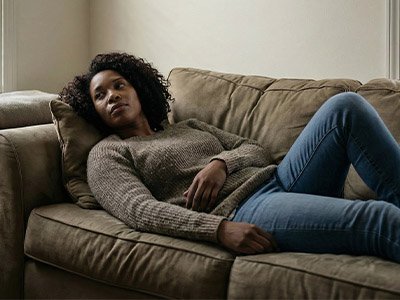
If any of this sounds familiar, it might be worth a conversation. You don't have to keep guessing. Reach out today for more information or to schedule an evaluation.
Medication
Medication is a highly effective tool for treating ADHD. Stimulant medications, which increase certain neurotransmitters in the brain, and non-stimulant options, which work differently, both have strong evidence bases for improving attention, executive function, and impulse control.
For women specifically, medication management can be more complex because of the hormonal factors we discussed. Some women find that their medication works differently at different points in their cycle, particularly due to hormonal fluctuations that can affect medication efficacy and side effects. Working with a prescriber who understands ADHD in women—and who will adjust and refine treatment over time based on the individual's hormonal changes and how they impact medication efficacy—makes a real difference.
Medication alone isn't the complete answer. However, for numerous women, medication serves as a vital component, enabling access to other strategies like therapy, lifestyle modifications, and support networks, which can significantly boost the overall effectiveness of treatment.
What's the Best First-Line Treatment for ADHD in Women?
Experts generally agree that stimulant medication, especially those based on methylphenidate (like Ritalin and Concerta) or amphetamines (like Adderall and Vyvanse), works well, has quick effects, and
For women, non-stimulant options such as atomoxetine (Strattera) or viloxazine (Qelbree) are also available and may be preferable in some circumstances—particularly when stimulants cause side effects, when anxiety is prominent, or when there are concerns about cardiovascular health. Antidepressants such as bupropion (Wellbutrin) are sometimes used as well, particularly when depression is a co-occurring concern.
The "best" treatment is ultimately the one that works for your particular brain, your hormonal picture, your co-occurring conditions, and your life circumstances. This is why a thorough evaluation—and an ongoing relationship with a knowledgeable prescriber—matters so much.
Cognitive Behavioral Therapy (CBT)
CBT adapted for ADHD is one of the most effective non-medication treatments available. CBT for ADHD is structured, practical, and skills-based, unlike traditional talk therapy, which can be difficult for people with ADHD to engage with effectively. It focuses on building executive function skills—planning, time management, and organization—and addressing the negative thought patterns that often develop after years of struggle.
Therapy is also invaluable for addressing the emotional aftermath of years of undiagnosed ADHD—the shame, the self-blame, and the internalized sense of failure. These things don't disappear with a diagnosis, but they can heal with the right support.
ADHD Coaching: A Practical Partner in the Process
One treatment option that often gets overlooked—especially in medical-focused resources—is ADHD coaching. And it's worth knowing about.
ADHD coaching is distinct from therapy. Where therapy tends to focus on the emotional and psychological dimensions of ADHD—processing shame, addressing anxiety, building insight—coaching focuses on the practical. An ADHD coach works with you in a structured, forward-focused way to build the specific skills that ADHD makes difficult: planning, prioritizing, follow-through, time management, and organization.
Coaching doesn't replace therapy or medication—it works alongside them. Many women recognize that coaching is the missing piece that translates their increased self-understanding into actual daily functioning. Knowing why you struggle with time management is different from having a system that actually works for your brain.
Coaching can be done in person or virtually, in individual or group formats. For women managing busy lives—careers, families, competing demands—virtual options have made this kind of support significantly more accessible than it used to be.
What's the Best Lifestyle for Someone With ADHD?
Alongside professional treatment, there's a lot that women can do to support themselves day-to-day. It's not that they need to exert more effort—they've been exerting more effort their entire lives. However, some targeted strategies have the potential to work with the ADHD brain, rather than against it.
- Body doubling: Working alongside another person (in person or virtually) dramatically improves focus for many people with ADHD. It's not a crutch—it's using your environment strategically to enhance productivity and leverage the strengths of the ADHD brain, such as increased creativity and the ability to hyperfocus when properly supported.
- The two-minute rule: If something takes less than two minutes, do it immediately. This simple habit prevents the pile-up of small tasks that becomes overwhelming.
- Exercise: Regular aerobic exercise is one of the most evidence-supported strategies for managing ADHD symptoms. It boosts dopamine and norepinephrine—the same neurotransmitters that ADHD medication targets—naturally.
- Sleep: ADHD and sleep problems are deeply interconnected. Prioritizing consistent sleep hygiene isn't optional—it's medicine.
- Nutrition: Stable blood sugar matters. Regular meals, reduced sugar and processed foods, and adequate protein can help maintain steadier cognitive function throughout the day.
- Self-compassion: The relentless self-criticism that accompanies undiagnosed ADHD is itself a barrier to healing. You cannot think your way to a better brain. But you can be kinder to the brain you have.
Can You Manage ADHD Without Medication?
This is one of the most frequently searched questions about ADHD—and the honest answer is: it depends. Some people with mild to moderate ADHD do make meaningful progress through behavioral strategies, coaching, therapy, exercise, sleep optimization, and lifestyle changes alone. And for those who prefer not to use medication—whether because of personal preference, medical contraindications, or concerns about side effects—these approaches absolutely deserve a serious try.
That said, the research consistently shows that medication is the most effective single intervention for ADHD, particularly for moderate to severe symptoms. For many women—especially those who have been struggling for years or whose ADHD is significantly affecting their functioning—medication isn't optional so much as it is the thing that makes everything else possible, as it can help improve focus, reduce impulsivity, and enhance overall quality of life.
The most important thing is to ensure that a desire to manage without medication does not prevent getting an evaluation. Knowing your diagnosis opens up all the options—including the non-medication ones. You can always decide not to medicate after you know what you're working with.
What Supplements May Help With ADHD?
Several nutritional supplements have been studied in the context of ADHD, and while none are as effective as medication, some show genuine promise as supportive interventions—particularly for those who want to complement their treatment plan with natural approaches, such as omega-3 fatty acids and zinc, which have been linked to improved attention and behavior in some studies.
Omega-3 fatty acids (fish oil) have the strongest evidence base of any supplement for ADHD. Multiple studies have shown modest but real improvements in attention and behavior, particularly in children, but with relevant data in adults as well. Some people with ADHD have low levels of magnesium, and taking magnesium supplements may help with hyperactivity and sleep. Research suggests that zinc deficiency may be linked to the severity of ADHD symptoms, as it plays a role in dopamine regulation. Iron—low ferritin levels have been associated with worse ADHD symptoms, especially in children, and it's worth having levels checked.
Important caveat: supplements are not a replacement for evaluation or evidence-based treatment. And some supplements interact with ADHD medications, potentially affecting their efficacy or causing adverse effects. Always discuss any supplements with your doctor before adding them—especially if you're already on medication.
Accommodations
Many women don't know that ADHD qualifies as a disability under the Americans with Disabilities Act—which means workplace accommodations are available and legally protected. Extended deadlines, flexible scheduling, a quieter workspace, and written rather than verbal instructions—these aren't special treatment. These accommodations promote fairness in the workplace.
Similarly, academic accommodations are available for students with ADHD diagnoses. If you're in school and going undiagnosed, getting evaluated could change your entire academic experience by providing access to necessary support and resources that can enhance learning and performance, such as tutoring, extended test time, and individualized learning plans.
ADHD Strengths and Superpowers: The Other Side of the Story
I want to conclude this section by discussing a topic that rarely receives enough attention in articles about ADHD: the opposing viewpoint.
ADHD is a real condition that causes real challenges. I don't want to minimize that—we've spent a lot of time in this article taking those challenges seriously. But the ADHD brain also comes with genuine strengths. And for many women, understanding and embracing those strengths becomes one of the most important parts of their healing journey.
Here's what the research—and clinical experience—consistently shows about ADHD strengths:
Creativity: The ADHD brain makes unusual connections. It sees angles that organized, linear thinkers miss. Many of the most creative, innovative people across every field—art, science, business, and medicine—have ADHD. That's not a coincidence.
Hyperfocus: When an ADHD brain finds something it loves, it can achieve a depth of focus and immersion that most people simply can't access. In the right context, this is a superpower.
Energy and enthusiasm: People with ADHD bring intensity. When they care about something—really care—that passion is contagious and powerful.
Empathy and emotional depth: The same emotional sensitivity that makes ADHD challenging to manage also makes many women with ADHD remarkably empathetic, perceptive, and deeply connected to the people they love.
Resilience: Here's one that gets overlooked. Women who have navigated decades of undiagnosed ADHD have developed a kind of resilience and resourcefulness that most people never have to find. They have overcome more than most people will ever know—often without fully understanding why things were tough, which has led to unique coping strategies and strengths that enable them to manage challenges effectively, such as creating structured routines, seeking support from others, and developing self-advocacy skills.
Crisis competence: Many people with ADHD perform remarkably well under pressure. The urgency and stimulation of a genuine crisis activates exactly the kind of focused, energized response that the ADHD brain does best.
This doesn't mean ADHD is a gift that needs no treatment or support. The challenges are real. What it means is that you are not a broken version of a neurotypical person. You are a different kind of brain—with a different set of strengths and challenges. You can get help and stop pretending to be someone else when you accept your individuality and discover happiness your way. That's when things really change.
You Deserve Answers—Here's Your Next Step
If you've read this far, something in this article spoke to you. Before we wrap up, I'd like to speak to you personally: You are not lazy. You are not flaky. You are someone whose brain works differently. It’s very likely that you’ve been working incredibly hard for a very long time without the right support.
That can change.
A comprehensive evaluation is the first step—and it's a step worth taking, no matter how long you've been wondering. Getting an accurate diagnosis doesn't put a label on you. It gives you answers. It gives you a path forward. And for most women, it brings something they haven't felt in a long time: relief.
At Community Psychiatric Centers, I have decades of experience evaluating and supporting individuals and families navigating ADHD. Whether you're seeking answers for yourself—or for a daughter who reminds you a little too much of your younger self—we're here to help.
Please reach out to me directly at DrCarosso@aol.com to ask questions, discuss an evaluation, or simply take that first step forward. You don't have to keep wondering. It's never too late to get the answers you deserve.
Dr. John Carosso, Psy.D.
Clinical Director: Community Psychiatric Centers & Autism Centers of Pittsburgh
Email: DrCarosso@aol.com
Phone: (724) 733-5757
About Dr. Carosso
Dr. John Carosso, Psy.D. is a licensed psychologist and certified school psychologist with decades of specialized experience working with children, adolescents, and adults impacted by Autism Spectrum Disorder, ADD/ADHD, Dyslexia, Anxiety, Depression, and Trauma. Throughout his 30-year career, Dr. Carosso has remained deeply committed to helping people of all ages reach their fullest potential through comprehensive, individualized, and evidence-based care.
Dr. Carosso is widely recognized for his expertise in conducting thorough psychological and developmental evaluations, including diagnostic assessments for autism spectrum disorder, ADD & ADHD and related neurodevelopmental conditions. His evaluations are known for being clinically sound, practical, and family-centered, providing clear guidance that supports meaningful intervention planning across home, school, and community settings.
Dr. Carosso serves as partner and clinical director of Community Psychiatric Centers & Autism Centers of Pittsburgh, where he provides leadership, clinical oversight, and strategic direction. In this role, he remains actively involved in program development, staff training, and the delivery of comprehensive mental health services.
